


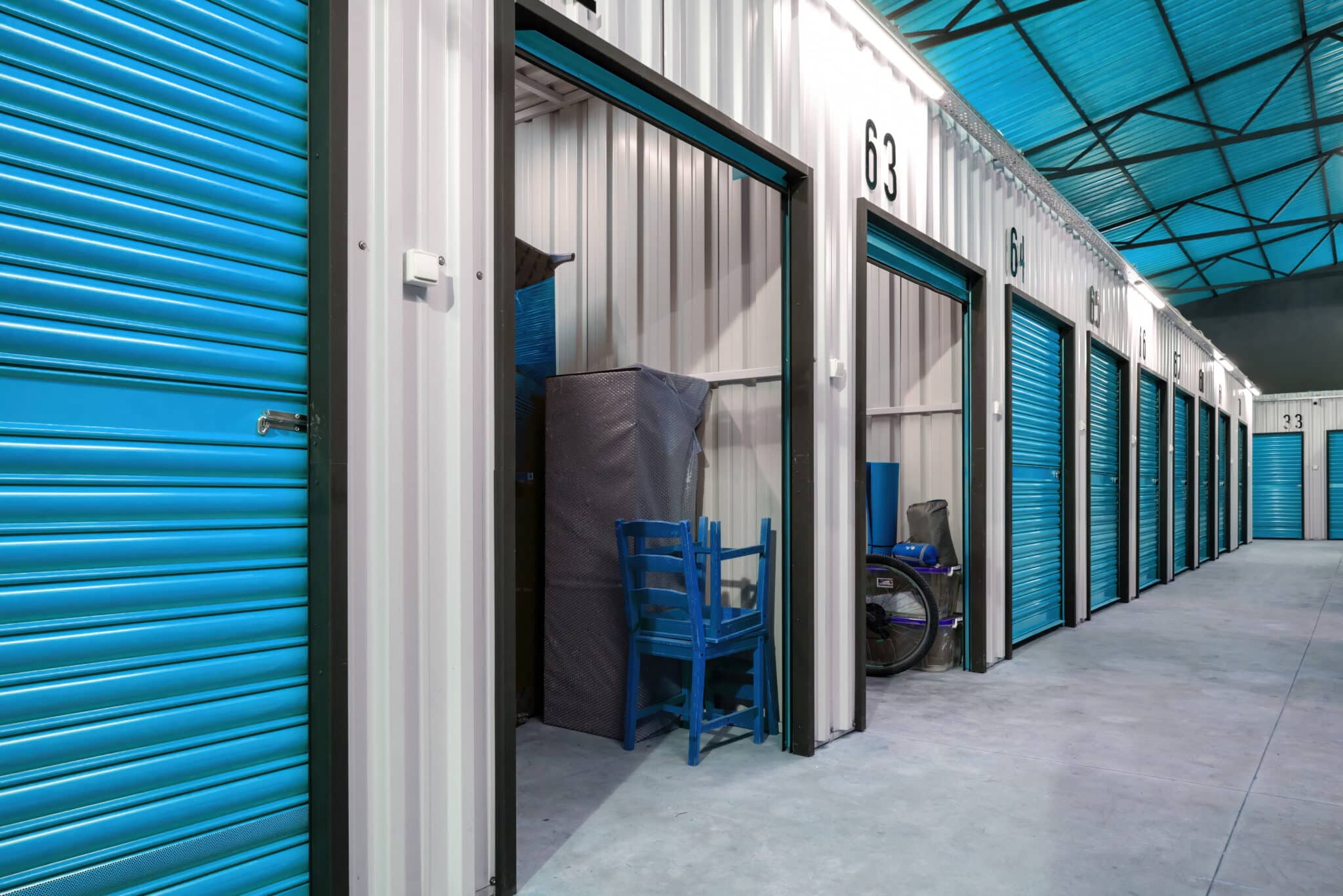
 When considering storage solutions, one of the most important decisions is selecting the right unit size. A well-chosen unit not only ensures belongings fit comfortably but also prevents paying for unnecessary space. Whether storing household items, business inventory, or seasonal belongings, understanding how to evaluate storage needs can make the process much easier. For general information on local storage options, resources such as https://abcstorageky.com/lexington/ can be helpful.
Assess the Purpose of Storage
The first step is to identify the reason for renting a unit. Someone moving to a new home may require temporary space for furniture, while a small business might need long-term storage for inventory. Seasonal needs—such as storing winter gear or holiday decorations—often call for smaller units. By clarifying the purpose early on, individuals can narrow down the unit size that aligns with their requirements.
Understand Common Unit Sizes
Storage facilities generally offer units in a range of standard sizes. While dimensions can vary slightly, the following breakdown provides a general guide:
- 5×5 units – Comparable to a small closet, ideal for boxes, seasonal décor, or a few small pieces of furniture.
- 5×10 units – Suitable for the contents of a small room, including a mattress set, dresser, or several medium-sized boxes.
- 10×10 units – A popular choice, this size fits the furnishings of a one-bedroom apartment, including larger appliances.
- 10×15 units – Often recommended for two-bedroom apartments or small households, with space for bulky items like sofas or dining tables.
- 10×20 units and above – Designed for multi-bedroom homes, vehicles, or business equipment.
Becoming familiar with these categories provides a framework for estimating space needs.
Take Inventory of Items
Once the purpose is clear, it helps to create a detailed list of items going into storage. Furniture, appliances, and fragile belongings often require more room than expected. Measuring large pieces beforehand ensures they will fit comfortably. Creating this inventory also helps in deciding whether additional shelving or organizational tools may be necessary within the unit.
Factor in Accessibility
Size is not only about fitting items inside; accessibility also matters. Units packed tightly from floor to ceiling may limit the ability to retrieve specific items later. Leaving aisles or open space for movement within the unit is often overlooked but can be essential. For example, someone planning frequent visits to access files or seasonal clothing will benefit from reserving extra space beyond the bare minimum needed.
Consider Future Needs
A common mistake is selecting a unit based only on current belongings. If there is a possibility of acquiring more items in the near future—such as new furniture, business stock, or inherited goods—it may be more practical to choose a slightly larger unit upfront. This approach avoids the inconvenience of transferring everything to a bigger space later.
Cost Vs Convenience
While larger units naturally cost more, the trade-off can be worthwhile if it prevents damage from overcrowding or the hassle of juggling multiple smaller units. Balancing the budget with practical needs is key. Many find that paying for a bit of extra space brings peace of mind and flexibility.
Conclusion
Choosing the right storage unit size involves a balance of practicality, foresight, and organization. By evaluating the purpose, understanding standard dimensions, taking inventory, and considering both accessibility and future needs, individuals can arrive at a decision that suits them best. For those exploring general storage information or researching available options in different areas, visiting resources like abcstorageky.com can provide useful insights into the types of units commonly offered.
