
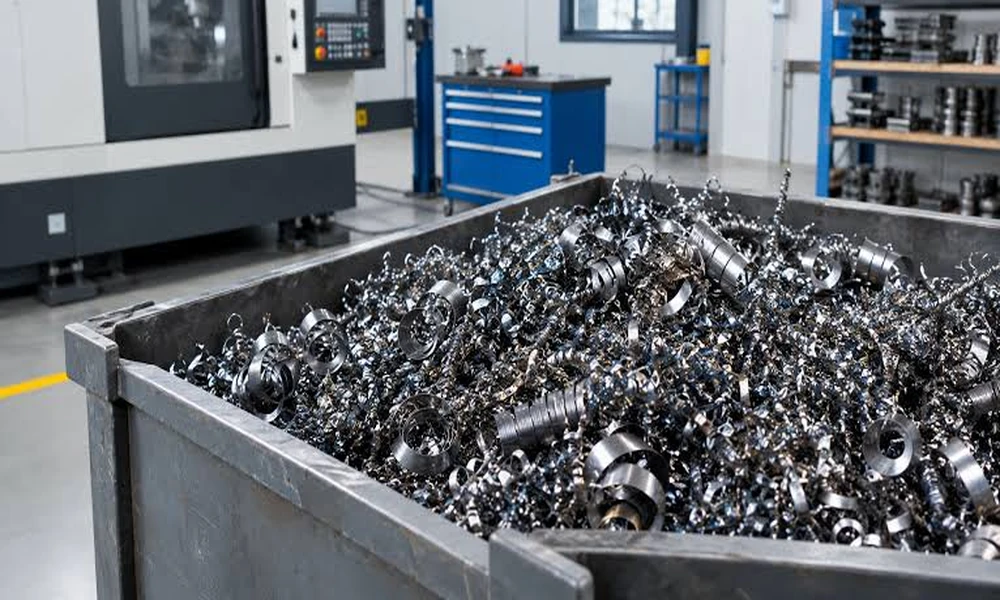

Manufacturing operations need a steady supply of quality metals to keep production consistent. Good resource planning lets companies use recovered metals efficiently without lowering production standards. Recycled copper and other valuable materials support responsible purchasing and cut down on waste. Proper collection and sorting also improve supply availability. Working with a milberry copper scrap supplier asia gives manufacturers a reliable source for their production needs.
Efficient Scrap Collection Methods
Effective scrap collection allows manufacturers to recover useful metals from daily production. A planned process keeps reusable materials apart from general waste. Facilities can start by assigning dedicated storage areas for scrap. Regular handling also makes recovered metals easier to identify before processing.
- Collect leftover metal pieces from production areas on a regular basis.
- Keep reusable copper separate from mixed scrap.
- Use designated containers for each metal category.
- Record collected quantities for accurate inventory planning.
- Schedule routine transfers to keep storage areas organized.
Consistent Material Quality Checks
Quality inspection is central to recycled metal management. Manufacturers need reliable methods to identify metal grades before buying or processing recovered materials. Composition checks show whether scrap meets specific production requirements. Sourcing from a milberry copper scrap supplier asia supports consistency through clear grading standards. These practices protect manufacturing output and improve material selection.
Responsible Resource Procurement
Sound procurement connects manufacturers with the right sources of recovered metals. Suppliers should share clear details on metal grades and available quantities. Purchasing teams can build stronger supply arrangements through regular communication. A well-planned procurement process keeps production on schedule and helps control purchasing costs.
- Review supplier records before signing regular purchase agreements.
- Compare metal grades against specific manufacturing requirements.
- Request clear weight details for every shipment.
- Keep purchase documents to improve inventory tracking.
- Maintain regular contact on supply quantities and schedules.
Better Processing And Storage
The right processing methods make recovered metals more usable. Sorting equipment separates grades before further preparation. Clean storage areas protect scrap from contamination. Regular equipment maintenance improves handling efficiency, and staff training ensures employees follow the same procedures during sorting and storage.
Simple internal controls can strengthen daily operations. These include inspecting incoming shipments and keeping stock records accurate. Well-arranged storage sections also help workers locate available materials quickly. Together, these measures support smoother production planning and responsible resource use.
Stronger Production Resource Planning
Resource planning matches recovered metal supplies with actual manufacturing needs. Companies can review production forecasts before placing orders, which helps purchasing teams keep stock at the right level. Managers can also track scrap recovery rates to understand how resources are used. Accurate records lead to better purchasing decisions over time.
Regular performance reviews further improve planning. Comparing collected quantities with production requirements shows where adjustments are needed. Clear communication with suppliers keeps procurement steady. These practices encourage responsible metal recovery and consistent output.
Manufacturing progress depends on sound resource decisions and organized management. Companies can strengthen operations by refining collection routines and supplier coordination. Better inspection procedures help maintain metal standards. Trained employees and efficient recovery methods create reliable supply arrangements. Responsible purchasing supports productive manufacturing and careful use of available resources.
Advancing Industrial Manufacturing Through Reliable Recycled Metal Resource Management
