
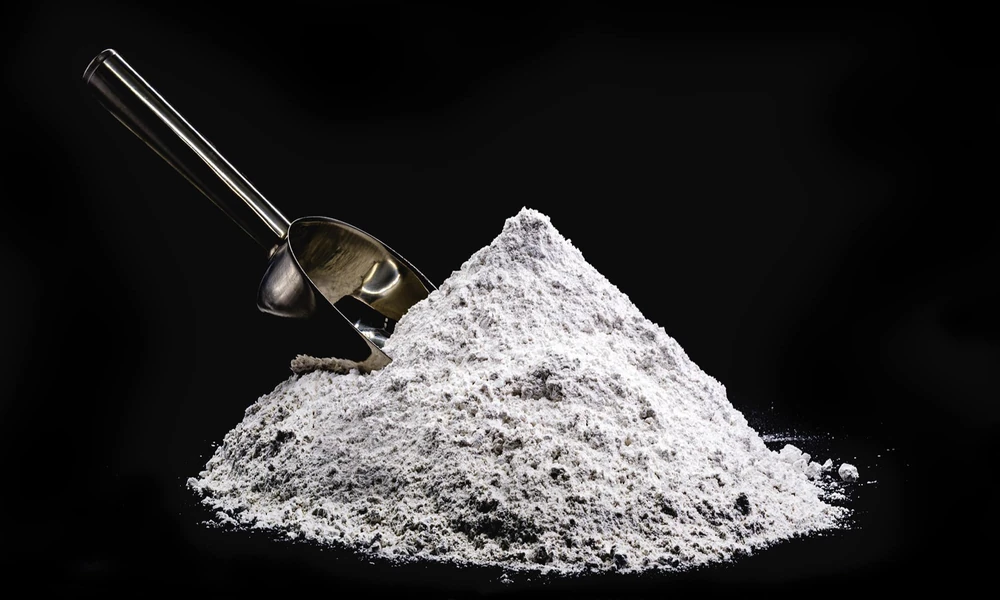

Open a jar of nappy cream, and you’ll find a smooth white paste that seems about as simple as a product can get. Behind it, though, sits a long chain of furnaces, filters, and lab tests. The route zinc oxide manufacturers choose at the very start decides how pure that powder ends up, and whether it’s fit for skin, tyres, or ceramics.
Three Main Routes
Most zinc oxide comes from one of three processes. Each produces a slightly different material.
The French process, sometimes called the indirect method, starts with refined zinc metal. It’s heated until it vaporises, then the vapour meets air and burns into fine zinc oxide. Because the starting metal is already clean, the result is very pure. It’s the usual source for pharmaceutical and cosmetic grades.
The American process works the other way around. It begins with zinc ore or recycled residues, reduced with carbon in a furnace. It’s cheaper, but more impurities come along for the ride, so the powder often goes into rubber or ceramics instead.
Then there’s the wet chemical route. A zinc salt solution reacts to form zinc carbonate, which is filtered, washed, and heated until it turns into zinc oxide. This method gives very fine particles with high surface area, useful wherever fast chemical activity matters.
White Doesn’t Mean Pure?
Here’s a common assumption. Buyers sometimes judge quality by colour, trusting that a brilliant white powder must be clean. Colour does reveal some impurities, but the ones that matter most for health, such as lead, cadmium, and arsenic, are invisible at trace levels.
| Process | Starting Material | Typical Purity | Common Uses |
| French (indirect) | Refined zinc metal | Very high | Cosmetics, pharmaceuticals |
| American (direct) | Zinc ore or residues | Moderate | Rubber, ceramics |
| Wet chemical | Zinc salt solutions | High, with fine particles | Active rubber grades, specialty uses |
The belief lasts because whiteness is the only thing you can check by eye. Real purity only shows up in the lab.
How Purity Gets Proven?
Serious zinc oxide manufacturers test every batch before it leaves the plant. Instruments measure heavy metal content down to parts per million. Surface area and particle size are checked too, because two equally pure powders can behave very differently in a cream or a rubber compound. Pharmaceutical grades must also meet pharmacopoeia limits, such as BP or USP standards.
Common Questions
- Which process gives the purest zinc oxide? The French process usually does, because it starts with refined zinc metal.
- Does higher purity always mean a better product? Not always. Rubber makers often care more about surface area than ultra-high purity.
- What proves a batch meets pharmaceutical standards? A certificate of analysis showing results against BP or USP limits.
Before Your Next Order
Ask your supplier which production route they use for the grade you’re buying, and request the full certificate of analysis. Check the heavy metal figures first, then surface area. Those two lines tell you more than any product brochure will.
Production Processes Behind High-Purity Output from Zinc Oxide Manufacturers
