

Spend a bit of time living in an HDB flat, and you start to notice how sound behaves in a very particular way. It’s not always loud or disruptive, but it travels. Conversations carry from one room to another, television audio spreads across the space, and everyday activity tends to overlap more than expected.
This isn’t a flaw in the design.
It’s simply the result of compact layouts, shared walls, and modern interiors that favour hard surfaces. The good news is that acoustic panels in Singapore can make a noticeable difference, especially when they’re placed in the right areas.
Living room walls: where sound tends to gather.
The living room is often the busiest part of an HDB flat. It’s where people watch television, have conversations, and spend most of their time.
Because of this, it’s also where sound tends to build up the most.
Large, flat walls in the living room reflect sound directly back into the space. This is especially noticeable when there’s minimal soft furnishing. Placing acoustic panels on these walls, particularly behind seating areas or opposite the television, helps reduce strong reflections.
This makes everyday activities feel more balanced, whether you’re watching something or having a conversation.
The wall behind the television.
This is one of the most effective yet commonly overlooked areas.
When audio comes from the television, it doesn’t just travel forward. It also reflects off the wall behind it and spreads across the room. This can make sound feel less controlled, especially in smaller living areas.
Adding acoustic panels behind the television helps absorb some of that reflection. The result is clearer audio and a more comfortable viewing experience without needing to adjust volume levels constantly.
Shared walls between rooms.
In HDB flats, walls are often shared between bedrooms, living areas, and neighbouring units. Sound can travel through these walls and also reflect off them within the room.
Installing acoustic panels along shared internal walls can help manage this. While panels don’t completely block sound transmission, they do reduce how much sound reflects back into the room.
This helps create a more contained environment, particularly in bedrooms or study areas where focus matters more.
Bedrooms: improving rest and focus.
Bedrooms are meant to feel more settled compared to the rest of the home, but sound can still travel in from adjacent spaces.
Panels placed on walls near the bed or along shared walls can help soften these reflections. This is especially useful if the bedroom is next to the living room or kitchen.
For people who work from home, bedroom spaces often double as work areas. In this case, acoustic panels also help improve speech clarity during calls and reduce the sense of overlapping sound from other parts of the flat.
Dining and kitchen areas in open layouts.
Many HDB flats today feature open-plan layouts where the kitchen, dining, and living areas are connected.
While this creates a more spacious feel, it also allows sound to move freely between zones. Cooking noise, conversations, and background audio can all mix together.
Placing acoustic panels near the dining area or along adjacent walls helps contain some of that movement. Ceiling panels can also be useful here, especially above dining tables where conversations typically happen.
This helps create a clearer separation between different activities without adding physical barriers.
Corridors and narrow spaces.
Corridors in HDB flats are often overlooked when it comes to acoustics. These narrow spaces can reflect sound along their length, allowing it to travel further than expected.
Adding panels along corridor walls can help reduce this effect. Even a small number of panels can break up the path of sound and prevent it from carrying into other rooms as strongly.
It’s a subtle improvement, but one that contributes to a more balanced overall environment.
Entryways and door-facing walls.
Another area where panels can make a difference is near entryways or walls facing doors.
Sound often travels through open doorways and reflects off the first surface it hits. This can spread noise into adjacent rooms more easily.
Placing panels on walls facing doorways helps absorb some of that energy before it travels further into the space.
Ceiling areas in key zones.
While wall placement is the most common approach, ceilings shouldn’t be ignored.
In rooms with hard ceilings, sound reflects downward and spreads across the space. This is particularly noticeable in living rooms and dining areas.
Installing ceiling panels in these zones helps intercept sound before it reflects back into the room. This can make the overall environment feel more controlled, especially during busy periods.
Focusing on large, reflective surfaces.
If you’re unsure where to start, look for the largest uninterrupted surfaces in your flat.
These are usually:
- Long living room walls
- Walls with minimal furniture
- Areas with glass or polished finishes
Treating even part of these surfaces can make a noticeable difference. You don’t need full coverage to see results.
It’s about placement, not just panels.
One of the most important things to remember is that acoustic panels are only as effective as their placement.
Installing them randomly or purely for decoration won’t deliver the same results as placing them along key reflection points. Understanding how sound moves within your flat helps you get the most out of each panel.
In many cases, a few well-placed panels can outperform a larger number installed without a clear plan.
Balancing design and function.
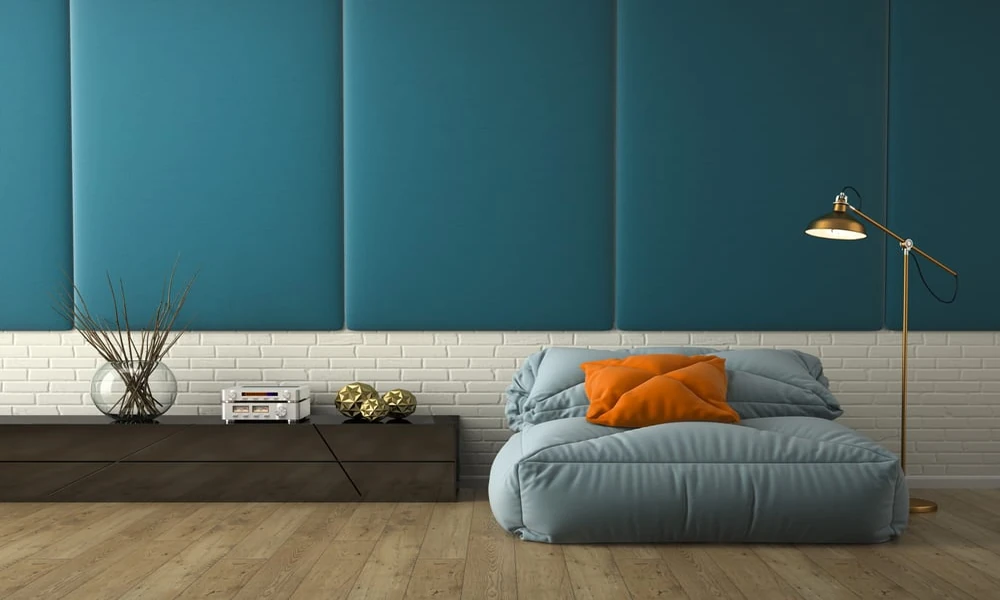
Modern acoustic panels come in a range of designs, so they don’t have to feel out of place in a home setting.
They can blend into walls, match existing colours, or even act as decorative features. This makes it easier to integrate them into HDB interiors without compromising the overall look.
The goal is to improve how the space feels while still maintaining a cohesive design.
Final Thoughts
Sound is part of everyday life in any home, especially in compact living environments like HDB flats in Singapore. While it can’t be removed entirely, it can be managed to make the space feel more comfortable.
Acoustic panels offer a simple and practical way to do that, but their effectiveness depends heavily on where they’re placed.
By focusing on key areas like living room walls, shared partitions, bedrooms, and open-plan zones, you can create a more balanced environment without major changes to your home.
Over time, these small adjustments add up, making daily life feel more settled and easier to enjoy.
