



E-commerce payment solutions ensure safe and easy transactions for online enterprises. These technologies simplify credit card, smartphone, and bank transfer payments between customers, sellers, and payment businesses. Choosing the correct e commerce payment method protects your data, permits growth, and simplifies buying.
What is an E-commerce Payment?
Companies get online payments through e-commerce. These technologies enable businesses and customers with digital payments. Online shopping is faster and safer thanks to e-commerce payment alternatives.
Online stores use payment servers to connect to payment companies. Payment channels safely provide payment information to payment providers, who deal with companies’ banks to finish transactions.
How Does E-commerce Payment Processing Work?
E-commerce payment handling involves many systems working together before a transaction. The procedure follows this:
- Customers choose goods, input payment and delivery details, and select a payment method at the point of sale.
- Client information is securely sent by the payment gateway to the payment provider.
- The payment processor approves the transaction by first checking with the customer’s bank or card issuer.
- The transaction’s money is briefly housed in the business’s merchant account. The money then settles into the bank account of the company.
What Are the Main E-commerce Payment Methods?
Online retailers provide several payment methods. The most common are:
1. Still the major payment options online are credit and debit cards. The payment processor calls Visa, Mastercard, or American Express for clearance once a customer pays. Once approved, the money enters the business’s bank account.
2. Mobile Payments: Smartphone buying is growing. Mobile payments like Apple Pay, Samsung Pay, and SMS allow users to pay instantly. About 50% of internet transactions use mobile money.
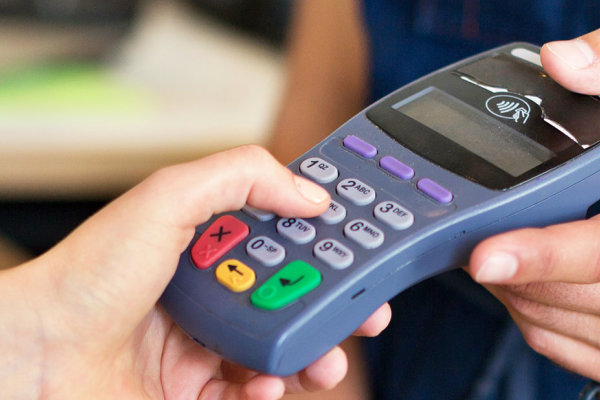
3. Buy Now, Pay Later (BNPL): Some clients prefer not to pay beforehand. Shop Pay Installments and other BNPL offerings let clients break up their costs. The client pays in installments, yet the firm receives full payment immediately after subtracting service costs.
4. Bank Transfers: B2B online shoppers may transmit money from their bank account for major purchases. Payment after ordering is usual for large items.
Features of a Strong E-commerce Payment Solution
Success requires choosing the correct payment mechanism. Some important aspects of a good e-commerce payment system are:
- Good payment options secure sensitive data with PCI-compliant systems. This protects payment card and personal data.
- An international payment system will help your firm expand globally.
- Your payment system should handle more transactions and add features like remembering customers’ payment information for future purchases as your firm expands.
- Choose a payment option with clear pricing. Avoid payment methods with hidden fees or confusing pricing.
Conclusion
For online vendors, e-commerce payment systems offer a quick and safe way of payment. Consumers could pay using credit, debit, mobile, or bank transfers. Businesses should choose a payment provider with robust protection, international support, growth potential, and straightforward pricing. Companies may boost customer happiness and simplify payment operations by choosing the correct option from ZEN Payment.
